Welcome to the Foodborne Disease website. The sources of pathogens responsible for causing foodborne illnesses are pervasive. Food and its derivatives will invariably harbor a small concentration of pathogenic agents. When existing in minor proportions, these detrimental microorganisms do not give rise to any concerns. However, upon surpassing a particular threshold of contamination, they hold the capability to initiate sickness and potentially lead to fatal outcomes..

Showing posts with label cirrhosis. Show all posts

Tuesday, April 19, 2022

Cirrhosis due to foodborne illness

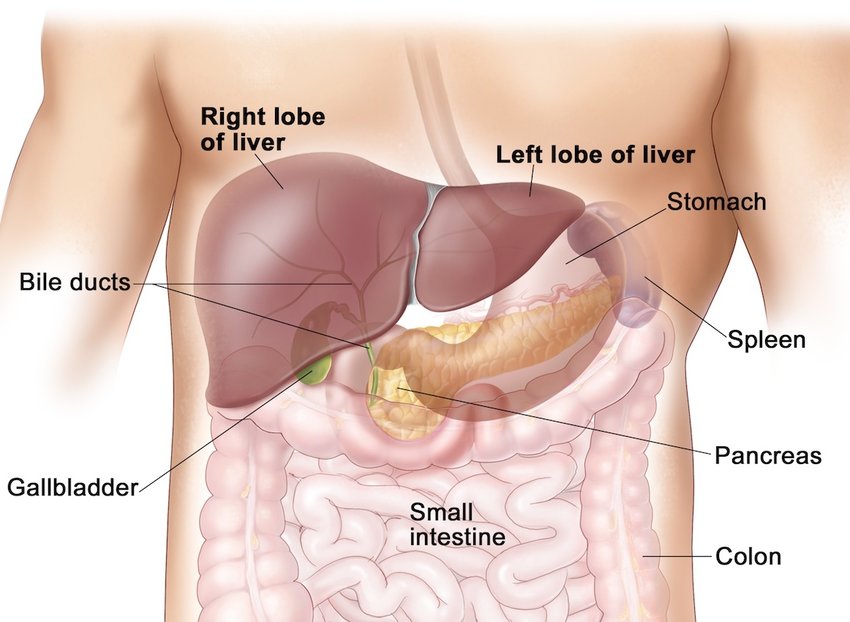
The liver is essential in keeping the body functioning properly. It removes or neutralizes poisons from the blood, produces immune agents to control infection, and removes germs and bacteria from the blood. If the liver is damaged from cirrhosis, it is not able to efficiently perform one of its most important tasks: helping the body get nutrition from the food you eat.

Cirrhosis is a late stage of scarring (fibrosis) of the liver caused by many forms of liver diseases and its complications.

In cirrhosis, healthy liver tissue is replaced with scar tissue and the liver is permanently damaged. Scar tissue keeps the liver from working properly.

The effects of foodborne diseases on individuals depend on factors such as their health, nutritional status and age and the virulence of the pathogen. Illness caused by foodborne viruses is common.

Norovirus infections are characterized by nausea, vomiting, watery diarrhea and abdominal pain, whereas hepatitis A virus can cause liver disease. Hepatitis A is a virus that attacks the liver, and may not cause symptoms for 15 to 50 days. Hepatitis A symptoms can be cold-like: fevers, joint aches, nausea, vomiting, and abdominal pain are common,

Hepatitis A is one of five hepatitis viruses that infect the liver. Hepatitis A is a contagious disease. It travels in feces, and can spread from person to person, or can be contracted from food or water. In cases of contaminated food, it is usually the person preparing the food who contaminates it.

Dioxins exposure also can alter liver function. Dioxins are mainly by-products of industrial processes. Humans are most commonly exposed by eating contaminated foods, such as meat, fish and dairy products. Short-term exposure to high levels of dioxins can result in skin lesions and altered liver function.
Cirrhosis due to foodborne illness
Thursday, March 13, 2008

Food Borne illnesses

Food Borne illnesses
Since food is biological in nature and is capable of supplying consumers with nutrition, it is equally capable of supporting the growth of contaminating microorganisms. Two types of bacterial food borne disease are recognized: intoxications and infections.

Food borne bacterial intoxication is caused by the ingestion of food containing preformed bacterial toxin resulting from bacterial growth in food.

Food borne infection, on the other hand, is caused by the ingestion of food containing viable bacteria which then grow and establish themselves in host, resulting in illness. Some pathogens occur in normal, healthy animals and in some instances man. Certain microorganisms are thus ubiquitous in nature, occurring on soil and vegetation, in animal wastes, and on animal carcasses. Human skin surfaces and nasal passages harbor staphylococci. Water supply may contain pathogens when contaminated with fecal mater.

Coastal waters in particularly may also naturally harbor recognized as pathogen Vibrio vulnificus. It is thus obvious how difficult to prevent one or more pathogens from entering raw foods.

The most common symptoms associated with food borne illness is diarrhea. Depending on the pathogenicity of the organisms and the susceptibility or health status of the host, the illness may be acute and self-limiting, or it may lead to other serious chronic and life threatening sequellae. Food borne illnesses are more likely to be life-threatening for the immune compromised, the aged , and those individuals debilitated by underlying health problems such as cirrhosis, hepatitis, hemachromatosis. The increase number of sporadic outbreaks of hemorrhagic colitis and the sequella hemolytic uremic syndrome has caused health officials to speculate that Escherichia coli serotypes may be the source of many diarrheal disease of unknown etiology. Food borne disease however, may not necessarily manifest itself in diarrheal illness but may illicit other symptoms such as abdominal cramps or pseudo appendicitis. Although a number of unusual outbreaks related to processed foods have occurred on the past few years , the majority of food borne illnesses are attributable to improper handling , cooking , and syirage practices on food service operations pr in the home.
Food Borne illnesses

The Most Popular Posts

Other interesting articles