Welcome to the Foodborne Disease website. The sources of pathogens responsible for causing foodborne illnesses are pervasive. Food and its derivatives will invariably harbor a small concentration of pathogenic agents. When existing in minor proportions, these detrimental microorganisms do not give rise to any concerns. However, upon surpassing a particular threshold of contamination, they hold the capability to initiate sickness and potentially lead to fatal outcomes..

Showing posts with label mycotoxins. Show all posts

Friday, January 21, 2022

Fumonisins – Mycotoxin produced by Fusarium species

Fumonisins are naturally occurring toxins produced by several species of Fusarium fungi (moulds). A number of different types of fumonisin are known, but fumonisins B1, B2 and B3 (also named FB1, FB2 and FB3) are the major forms found in food. Fumonisins were first recognized in 1988.

Fumonisins’ structure is similar to sphingolipid and this toxin in high concertation inhibits ceramide synthase that is an important enzyme in the de novo pathway of sphingolipid biosynthesis.

The genus Fusarium, belonging to the family Nectriaceae, can be found as saprophytes in soil and plants worldwide. Fusarium spp. colonize to the rhizospheres of plants and then subsequently enter into the plant system.

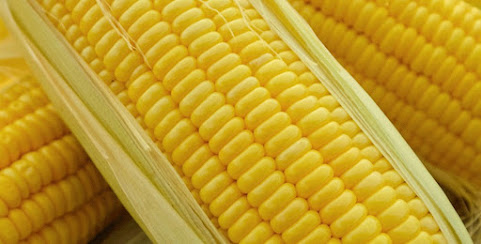
The fungi Fusarium verticillioides, F. proliferatum and F. fujikuroi, as well as some less widespread Fusarium species, are common contaminants of maize, and to a lesser extent of wheat and other cereals included their derived products. The FB1 has been reported to contaminate numerous food products like asparagus and garlic, barley foods, beers, dried figs, and milk.

Recently it has been found that Aspergillus niger produces fumonisins in grapes, wines, and dried vine fruits, but only at low concentrations. Fumonisins cause a range of diseases in animals, the most important being leukoencephalomalacia in horses and liver cancer in rats.

Fumonisin production has been observed during the post-harvest period; however, under adverse conditions of storage. Dietary exposure of fumonisins can lead to several harmful outcomes in both farm and experimental laboratory animals.
Fumonisins – Mycotoxin produced by Fusarium species
Sunday, April 17, 2016

Mycotoxins cause cancer

Mycotoxins are toxic secondary metablistes produced by filamentous fungi (molds). Mycotoxins are very powerful protein synthesis inhibitors, so they can affect the DNA, which is a problem in and of itself.

Because they affect the DNA, the cells start multiplying abnormally which can eventually develop into cancer. That mycotoxins can and do cause oesophageal cancer, kidney cancer, liver cancer, prostate cancer.

Fumonisins are carcinogenic mycotoxins by some Fusarium, primarily F. verticillioides growing in maize. At least 28 fumonisins (fumonisin B1, fumonisin B2, and fumonisin B3) analogs are now known and three of these occur naturally in maize world wide.

Fumonisins ingestion via feed prpeared from corn contaminated woth Fusarium could cause leukoencephalomalacia in horse, pulmonary oedema in pig, and liver cancer in rat.

The incidence of F. moniliforme is home grown corn has been correlated with human esophageal cancer rates in Transkei, southern Africa and in China. Corn naturally contaminated with F. moniliforme and associated with a field oubreak of LEM in horse in the US was also shown to be hepatocarcinogenic in rats.
Mycotoxins cause cancer

The Most Popular Posts

Other interesting articles